A scar is a natural part of the healing process, but sometimes the body produces more scar tissue than necessary. This can result in a keloid—a raised, thick scar that extends beyond the original wound. Keloids are not harmful in most cases, but they can cause itching, discomfort, restricted movement, and cosmetic concerns. Understanding the available keloid treatment options can help patients choose the most suitable approach for their skin.
What Is a Keloid?
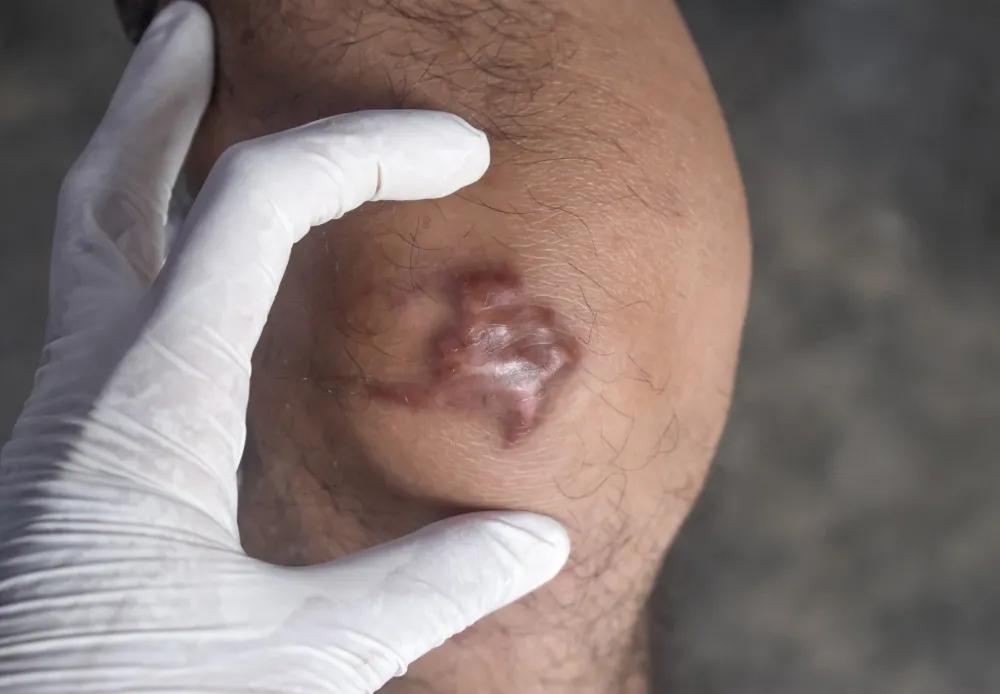
A keloid develops when collagen production continues even after a wound has healed. Unlike ordinary scars, keloids grow beyond the boundaries of the original injury and may continue enlarging over time.
They can develop after:
- Ear piercing
- Acne scars
- Surgical incisions
- Burns
- Vaccination sites
- Minor cuts or skin injuries
Some people have a higher tendency to develop keloids due to genetic factors or skin type.
How to Identify a Keloid
Although every scar is different, common signs include:
- A raised and firm scar
- Smooth, shiny surface
- Pink, red, or darker coloration depending on skin tone
- Itching or tenderness
- Gradual increase in size
- Scar extending beyond the original wound
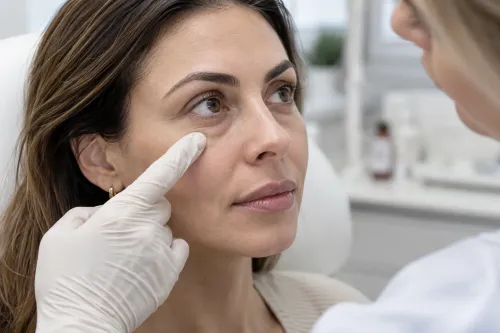
If a scar continues to grow months after an injury, it should be evaluated by a specialist.
Why Early Treatment Is Important
Many people assume that keloids will shrink naturally, but this is uncommon. Without treatment, they may become larger, more noticeable, or increasingly uncomfortable.
Early treatment may help:
- Control scar growth
- Reduce itching and pain
- Improve cosmetic appearance
- Lower the chance of recurrence
- Restore confidence in visible areas such as the face, neck, chest, or ears
The sooner treatment begins, the more options are typically available.
Available Keloid Treatment Options
The most suitable treatment depends on the size, location, and age of the scar.
Common approaches include:
Steroid Injections
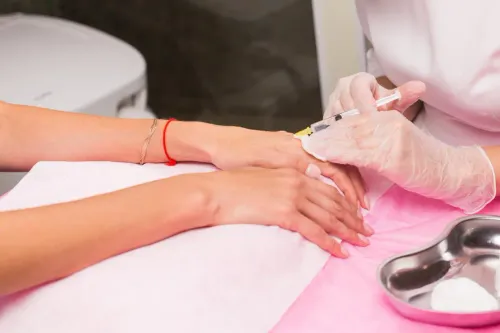
These help flatten the scar by reducing inflammation and collagen production. Multiple treatment sessions may be required.
Surgical Removal
Larger keloids may be removed surgically. Since keloids have a tendency to recur, surgery is often combined with additional treatments to reduce recurrence.
Silicone Gel Sheets
Medical-grade silicone sheets may help soften and flatten scars when used consistently over several weeks or months.
Pressure Therapy
Pressure garments are sometimes recommended after surgery, particularly for larger scars, to improve healing.
Laser Treatment
Laser therapy can reduce redness and improve the texture of certain keloids. It is frequently combined with other treatment methods for better results.
Can Keloids Return After Treatment?
Yes. Keloids have a higher recurrence rate than many other types of scars. However, combining different treatment methods significantly improves long-term outcomes.
The treatment plan is usually personalized according to:
- Scar size
- Scar location
- Previous treatments
- Skin characteristics
- Individual healing response
Regular follow-up appointments allow the specialist to monitor healing and recommend additional therapy if necessary.
Tips to Reduce the Risk of Keloids
While not every keloid can be prevented, these measures may help lower the risk:
- Avoid unnecessary skin trauma if you are prone to keloids.
- Follow wound care instructions carefully after surgery.
- Treat acne early to minimize deep scarring.
- Protect healing scars from excessive sun exposure.
- Attend follow-up appointments after any scar treatment.
Choosing the Right Specialist
Treating keloids requires more than simply removing scar tissue. A successful outcome depends on selecting the most appropriate combination of therapies while minimizing the risk of recurrence.
People in Pune frequently consult specialists for raised scars that cause discomfort or affect appearance. Khatri Clinic - Best Clinic in Camp offers individualized assessment and treatment plans based on the type, size, and location of each keloid.
Keloid treatment is most effective when started early and tailored to the patient's specific needs. Professional evaluation can help improve scar appearance, relieve symptoms, and support healthier skin over the long term.
Keywords