
Persistent male breast or chest enlargement can be difficult to address through exercise alone when glandular tissue is involved. Gynaecomastia surgery, sometimes searched for as manboob correction, is a body-contouring procedure that may be considered after the cause and composition of the chest enlargement have been assessed.
The first step is determining whether the appearance is actually gynaecomastia and whether surgery is appropriate.
Gynaecomastia Is Not Always Just Excess Fat
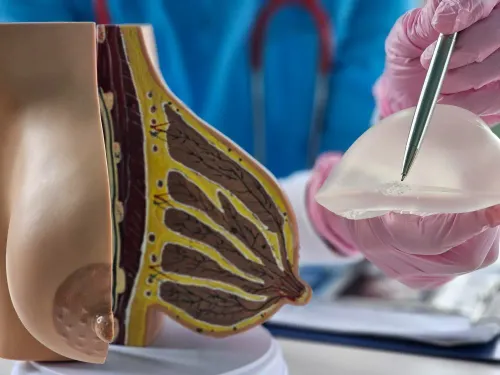
Male chest enlargement can involve glandular breast tissue, fatty tissue, or a combination of both.
This distinction matters because treatment differs.
Fat-predominant enlargement may respond to weight management or, in selected surgical cases, liposuction. Firm glandular tissue may require direct surgical removal. Many patients have both components and may need a combined approach.
When Should Medical Evaluation Come First?
Gynaecomastia can sometimes be associated with hormonal changes, medications, certain substances, medical conditions, or other underlying factors.
Assessment is especially important when enlargement is:
- Newly developed
- Rapidly increasing
- Predominantly on one side
- Painful or unusually firm
- Associated with nipple discharge
- Accompanied by other unexplained symptoms
Not every patient requires the same tests. Investigations are selected according to age, examination findings, history, and possible underlying causes.
Signs You May Be Ready to Discuss Surgery
Surgical consultation may be reasonable when the chest enlargement has remained persistent and is causing a concern that the patient genuinely wants to address.
Readiness also means understanding that surgery produces improvement rather than mathematical perfection.
A suitable candidate should be prepared to discuss:
- Current weight and weight stability
- Medications and supplements
- Smoking or nicotine use
- Previous medical conditions
- Exercise habits
- Expectations regarding scars
- Ability to follow postoperative restrictions
What Does Surgery Involve?
The technique is determined by the type and severity of enlargement.
Liposuction can reduce selected fatty tissue through small access points. Gland excision may require an incision, commonly positioned around part of the areola or another location selected according to the surgical plan.
More significant enlargement or excess skin can require additional techniques.
This is why a single fixed 'gynaecomastia package' does not necessarily reflect the complexity of every case.
What Should You Expect Afterward?
Temporary swelling, bruising, soreness, and changes in sensation can occur. A compression garment may be advised during recovery.
Patients should understand restrictions on upper-body exercise and heavy lifting and should know when they can return to work.
The final contour takes time to become apparent as swelling resolves and tissues settle.
Choosing a Provider
Men seeking gynaecomastia treatment in Pune should look for a qualified plastic surgeon who evaluates the underlying tissue rather than assuming every enlarged chest requires the same operation.
At Khatri Clinic - Best Clinic in Camp, patients can undergo a plastic surgery assessment to determine whether the concern involves fat, glandular tissue, skin excess, or a combination of these factors.
Manboob correction is most appropriately considered when the condition has been properly assessed, expectations are realistic, and the patient understands the surgical technique, scars, recovery, and possible complications. These readiness indicators are more important than simply deciding that the chest needs to look smaller.
Keywords