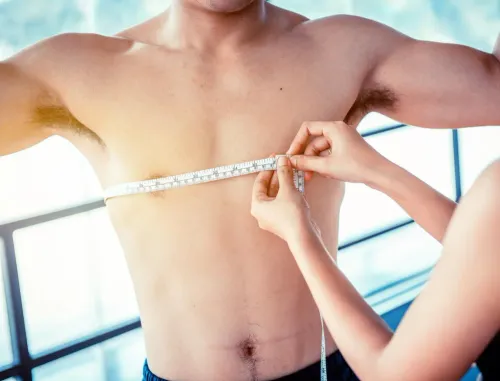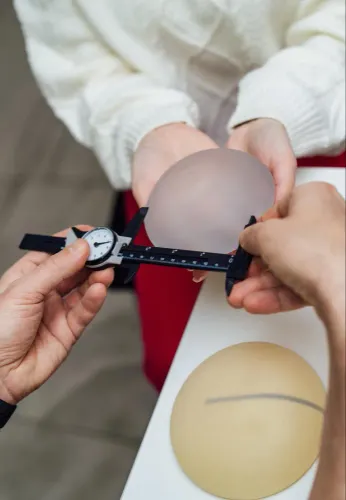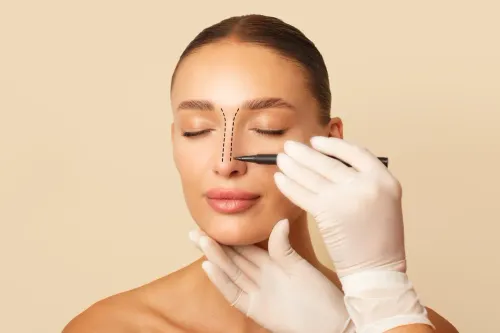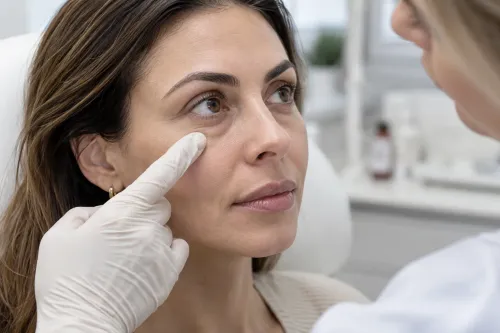
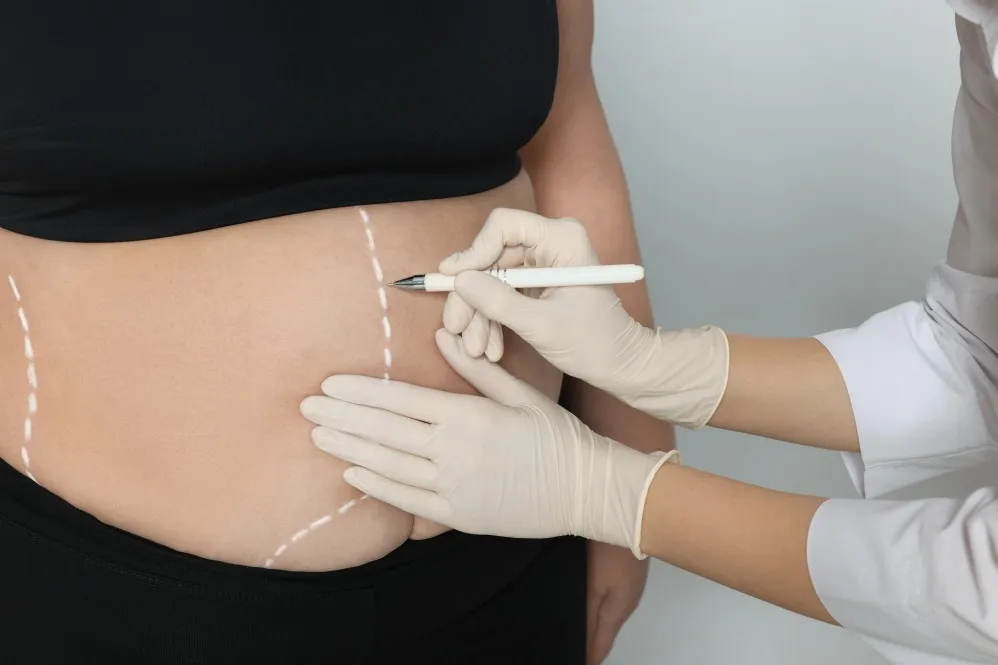
Exercise and balanced nutrition can improve overall body composition, but some localized fat deposits may remain despite consistent lifestyle efforts. Liposuction is a body-contouring procedure designed to remove selected areas of subcutaneous fat and reshape body contours.
It is important, however, to understand that liposuction is not a general weight-loss treatment.
What Is Liposuction Designed to Do?
Liposuction uses a cannula and suction-based technique to remove fat from planned areas beneath the skin.
Depending on individual anatomy, treatment may be considered for localized deposits around areas such as the:
- Abdomen
- Flanks
- Thighs
- Hips
- Arms
- Back
- Chin or neck
- Chest in selected circumstances
The objective is improvement in proportion and contour rather than reaching a particular number on the weighing scale.
Liposuction Does Not Treat Every Body-Shape Concern
A common mistake is assuming that removing more fat always produces a better result.
Skin elasticity plays an important role in how an area looks after fat removal. If substantial loose skin is present, liposuction alone may not provide the expected tightening.
Similarly, abdominal prominence can be influenced by internal fat, muscle separation, posture, or other factors that suctioning subcutaneous fat cannot correct.
A surgical assessment helps identify which structures are actually contributing to the contour.
Who Is Usually a Better Candidate?
Suitability is determined individually, but body-contouring procedures are generally considered in people who have realistic expectations and specific areas they want to address.
Medical history, medications, smoking status, previous operations, skin quality, weight stability, and overall health can influence surgical planning.
Patients should not conceal health information simply because the procedure is cosmetic. Safety assessment remains an essential part of elective surgery.
What Happens During Recovery?
Swelling and bruising are expected after liposuction and can temporarily obscure the eventual contour. Compression garments may be recommended depending on the treated area and surgeon's protocol.
Recovery varies according to the number and size of areas treated and the technique used.
Patients should ask when they can safely return to:
- Office work
- Driving
- Exercise
- Heavy lifting
- Travel
The final contour cannot usually be judged immediately because swelling takes time to settle.
Will Fat Return?
Fat cells removed through liposuction do not simply regenerate in exactly the same manner, but remaining fat cells can enlarge if a person gains weight.
Maintaining a relatively stable weight after surgery therefore helps preserve the contour achieved.
Liposuction should complement rather than replace sustainable lifestyle habits.
Choosing a Surgical Setting
In Pune and across Maharashtra, body-contouring procedures are offered in a wide range of settings. Patients should look beyond package prices and social-media transformations.
Relevant considerations include the surgeon's qualifications, facility standards, anaesthesia planning, postoperative monitoring, emergency arrangements, and follow-up care.
Khatri Clinic - Best Clinic in Camp provides plastic and aesthetic surgery consultations where patients can discuss whether liposuction matches their particular body-contouring concern.
A good liposuction plan is conservative enough to respect anatomy while being specific about the areas that genuinely benefit from fat reduction. Understanding those limits before surgery is one of the most important parts of achieving realistic expectations.
Keywords