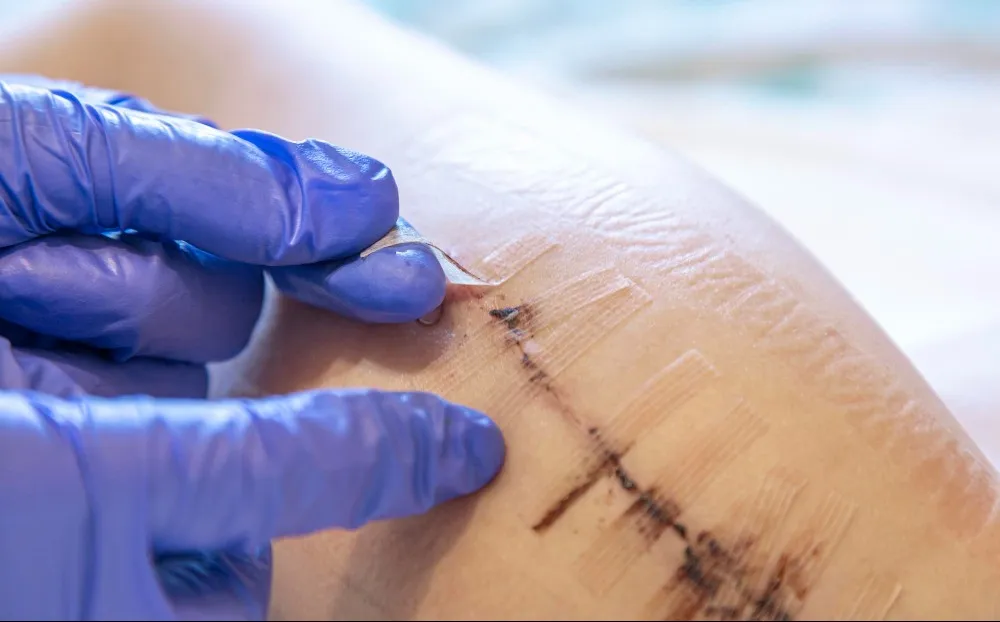
Cuts and lacerations are among the most common injuries treated in emergency medical settings. When a wound is classified as a CLW, or Contused Lacerated Wound, timely medical attention becomes important to reduce complications and support proper healing.
CLW suturing is performed to close wounds that involve torn skin and underlying tissues, helping restore the natural healing process while minimizing infection risks.
What Is a Contused Lacerated Wound?
Unlike a clean surgical cut, a contused lacerated wound results from blunt trauma that tears the skin.
Common causes include:
- Road traffic accidents
- Falls
- Sports injuries
- Workplace accidents
- Sharp object injuries with surrounding tissue damage
Because surrounding tissues are often bruised or crushed, careful wound assessment is essential before suturing.
Why Proper Wound Closure Matters
Closing a wound correctly offers several advantages.
- Faster healing
- Reduced bleeding
- Lower infection risk
- Better cosmetic outcome
- Protection of deeper tissues
- Improved comfort during recovery
The decision to suture depends on wound depth, contamination, location, and time since injury.
What Happens During CLW Suturing?
The wound is first cleaned thoroughly to remove dirt, debris, and damaged tissue.
The doctor then examines nearby nerves, blood vessels, tendons, and muscles before selecting an appropriate closure technique.
Local anesthesia is usually administered before sutures are placed carefully to align the wound edges.
Some injuries may require layered closure if deeper tissues have also been affected.
Caring for Sutures at Home
After treatment, patients should:
- Keep the wound clean and dry
- Follow dressing instructions
- Take prescribed medications
- Avoid disturbing the stitches
- Watch for redness or excessive swelling
- Return for scheduled follow-up visits
Following these instructions significantly improves healing.
Signs That Need Immediate Medical Review
Seek medical attention if you notice:
- Increasing pain
- Pus discharge
- Fever
- Excessive swelling
- Bleeding that continues
- Opening of the wound
Prompt evaluation helps prevent serious complications.
Reducing Scar Formation
While some scarring is unavoidable, proper wound care contributes to better cosmetic outcomes.
Important factors include:
- Timely suturing
- Infection prevention
- Balanced nutrition
- Protecting healing skin from sunlight
- Following medical advice regarding scar management
Choosing Experienced Medical Care
Proper CLW suturing requires knowledge of anatomy, wound healing, and reconstructive principles. Delayed or improper closure may affect both appearance and function.
Patients in Pune benefit from consulting experienced specialists who evaluate each injury individually before deciding on the best closure technique.
Khatri Clinic - Best Clinic in Camp provides assessment and treatment for traumatic wounds with careful attention to both functional recovery and cosmetic healing whenever possible.
Early treatment remains one of the most important factors in achieving successful wound healing after accidental injuries.
Keywords