Many people are familiar with cosmetic procedures that enhance facial features, but some individuals seek treatments that create better facial balance by reducing prominent features. Lip reduction surgery is one such procedure that focuses on reshaping overly large lips to improve facial harmony while maintaining a natural appearance.
People considering lip reduction often have naturally fuller lips, experience asymmetry, or feel that the size of their lips affects their confidence. Understanding how the procedure works can help patients make informed decisions before consulting a qualified specialist.
What Is Lip Reduction Surgery?
Lip reduction is a cosmetic procedure that removes a carefully measured amount of tissue from the inner portion of the lips. The goal is not simply to make the lips smaller but to achieve balanced facial proportions while preserving natural movement and expression.
The surgery is customized based on facial structure, lip shape, and the patient's aesthetic goals. Because every face is unique, treatment planning plays an important role in achieving satisfying results.
Why People Consider Lip Reduction
There are several reasons someone may choose this procedure.
- Naturally oversized lips
- Uneven upper and lower lips
- Difficulty closing the lips comfortably
- Concerns about facial proportions
- Dissatisfaction after previous cosmetic procedures
- Desire for a more balanced appearance
Many patients seek treatment because they want subtle refinement rather than dramatic changes.
How the Procedure Is Performed
The procedure is generally performed under local anesthesia with or without sedation depending on individual needs.
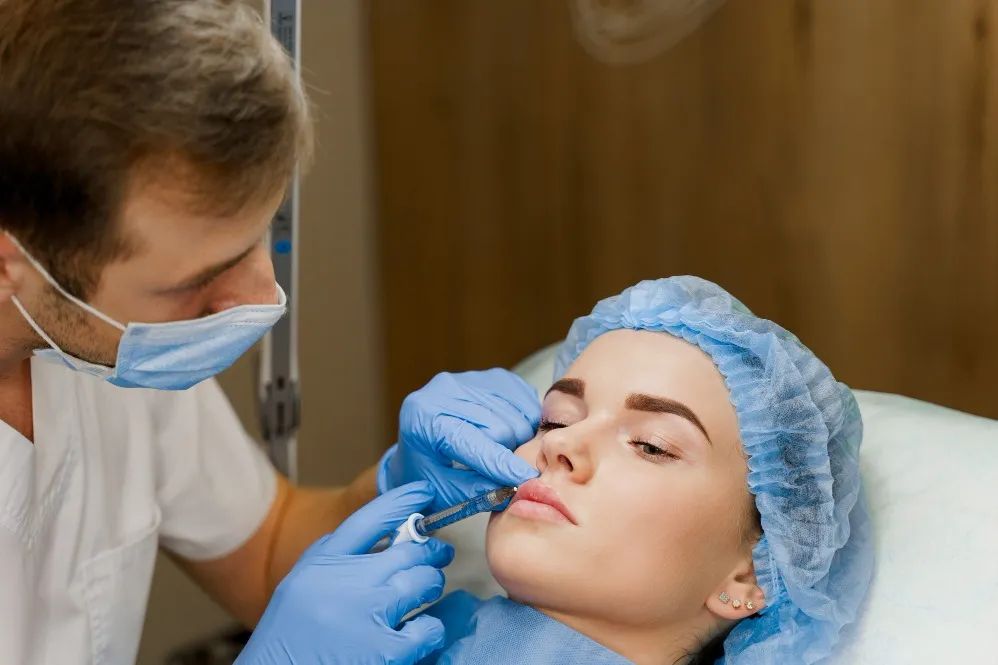
During surgery, the surgeon removes excess tissue through carefully planned incisions placed inside the lips. Since the incision remains on the inner surface, visible scarring is typically minimal.
After reshaping the lips, dissolvable sutures are used to close the incision, allowing the area to heal naturally.
Recovery After Lip Reduction
Recovery varies from person to person, but most patients experience temporary swelling and mild discomfort during the first few days.
Helpful recovery practices include:
- Following prescribed medications
- Eating soft foods initially
- Avoiding excessive mouth movements
- Maintaining good oral hygiene
- Attending follow-up appointments
Most swelling gradually improves over several weeks before the final appearance becomes visible.
Is Everyone a Suitable Candidate?
Ideal candidates generally:
- Are in good overall health
- Have realistic expectations
- Want permanent lip reshaping
- Do not have active oral infections
- Understand the recovery process
A detailed consultation helps determine whether surgery is the most appropriate option.
Choosing an Experienced Specialist
Facial cosmetic procedures require precision and an understanding of facial proportions. Selecting a qualified plastic and reconstructive surgeon helps reduce risks while improving the likelihood of natural-looking results.
Patients in Pune often look for experienced specialists who evaluate facial symmetry, medical history, and personal goals before recommending surgery.
Khatri Clinic - Best Clinic in Camp provides consultations for individuals exploring facial cosmetic procedures, helping patients understand available treatment options based on their specific concerns.
Frequently Asked Questions
Does lip reduction leave visible scars?
Incisions are usually placed inside the lips, making visible scars uncommon.
Is the procedure permanent?
Yes. The reduction achieved through surgery is generally permanent.
Will speech be affected?
Temporary swelling may slightly affect speech for a short period, but normal function usually returns as healing progresses.
How long does recovery take?
Initial recovery often occurs within one to two weeks, while final results become more noticeable over the following weeks.
A well-planned lip reduction procedure focuses on achieving facial balance rather than simply reducing lip size. Consulting an experienced specialist helps ensure treatment is tailored to individual facial features and long-term aesthetic goals.
Keywords