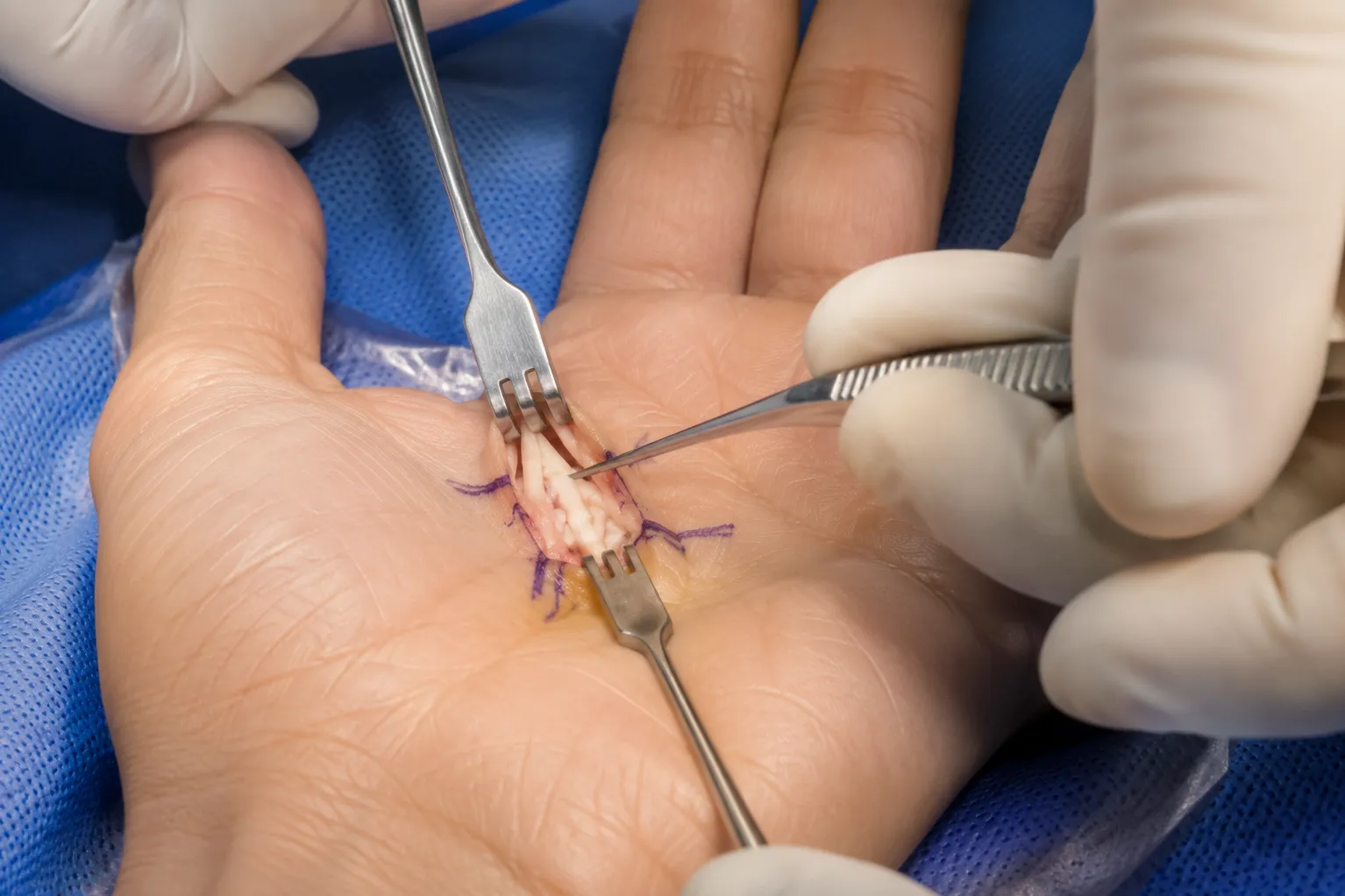
Trigger finger is a common hand condition that can make simple tasks like holding a cup, typing, buttoning a shirt, or gripping a steering wheel uncomfortable. While mild cases often improve with rest or medication, some people continue to experience pain and finger locking despite conservative treatment. Recognizing the signs that indicate trigger finger release surgery may be necessary can help prevent long-term stiffness and restore normal hand function.
Understanding the progression of trigger finger allows patients to seek timely medical advice instead of waiting until daily activities become increasingly difficult.
What Is a Trigger Finger?
Trigger finger, medically known as stenosing tenosynovitis, occurs when inflammation narrows the space around the tendon that bends the finger. As the tendon moves through this tight area, it may catch or lock instead of gliding smoothly.
Although any finger can be affected, the thumb, ring finger, and middle finger are commonly involved. The condition can develop gradually and often worsens if left untreated.
Common Symptoms of Trigger Finger
The early signs may seem minor, but they often become more noticeable over time. Common symptoms include:
- A clicking or popping sensation while bending the finger
- Pain or tenderness near the base of the affected finger
- Stiffness, especially after waking up in the morning
- Difficulty straightening the finger smoothly
- Finger locking in a bent position
- A small lump or swelling in the palm near the affected tendon
Some people notice that symptoms improve during the day, while others experience persistent discomfort that interferes with work and routine activities.
Signs You May Need Trigger Finger Release Surgery
Not everyone with a trigger finger requires surgery. However, certain symptoms may indicate that surgical treatment should be considered.
Conservative Treatments Are No Longer Effective
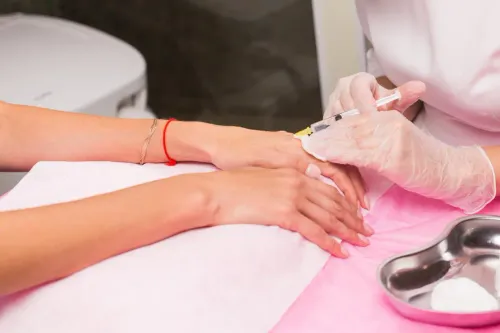
Doctors often recommend non-surgical treatments first, including rest, splinting, anti-inflammatory medications, activity modification, or corticosteroid injections. If these approaches fail to provide lasting relief, surgery may become the next step.
The Finger Frequently Locks
Occasional clicking may not be serious, but repeated locking that requires the other hand to straighten the finger can significantly affect daily life.
Persistent Pain Interferes With Daily Activities
Ongoing pain while gripping, writing, lifting objects, or performing household tasks can reduce productivity and make routine activities uncomfortable.
Limited Finger Movement
As the condition progresses, finger movement may become increasingly restricted. Reduced flexibility can affect both personal and professional responsibilities, especially for individuals who rely heavily on hand function.
The Finger Remains Stuck
In advanced cases, the finger may become permanently bent or difficult to straighten without assistance. Early surgical intervention may help prevent permanent stiffness.
What Happens During Trigger Finger Release Surgery?
Trigger finger release is usually performed as a day-care procedure under local anesthesia.
The surgeon makes a small incision near the base of the affected finger and carefully releases the tightened pulley that is preventing the tendon from moving freely. Once released, the tendon can glide normally, allowing smoother finger movement.
Because the procedure is relatively straightforward, many patients return home on the same day.
Recovery After Surgery
Recovery is generally gradual but encouraging. Patients are usually advised to begin gentle finger movement soon after surgery to prevent stiffness.
Recovery tips include:
- Keep the surgical area clean and dry.
- Perform finger exercises recommended by your doctor.
- Avoid heavy lifting during the initial healing period.
- Attend scheduled follow-up appointments.
- Report excessive swelling, redness, or persistent pain promptly.
Most people notice significant improvement in finger movement within a few weeks, although complete healing may take a little longer depending on individual recovery.
Who Is More Likely to Develop Trigger Finger?
Certain factors increase the likelihood of developing trigger finger, including:
- Diabetes
- Rheumatoid arthritis
- Repetitive gripping activities
- Frequent use of hand tools
- Previous hand injuries
- Increasing age
Early diagnosis is especially important for individuals with these risk factors because treatment may be more effective before the condition becomes severe.
Choosing the Right Medical Evaluation
Accurate diagnosis is essential because not every cause of finger pain or stiffness is trigger finger. A qualified specialist will evaluate your symptoms, examine hand movement, and recommend the most appropriate treatment based on the severity of the condition.
Patients in Pune often seek experienced specialists who can determine whether conservative treatment is sufficient or whether trigger finger release surgery offers the best long-term outcome. At Khatri Clinic - Best Clinic in Camp, treatment plans are individualized after a detailed clinical assessment, ensuring that each patient receives care suited to their specific needs.
Recognizing the warning signs early can make a significant difference in preserving hand function. If finger locking, pain, or restricted movement continues despite initial treatment, consulting a specialist can help you explore the most appropriate options for restoring comfortable, natural movement.
Keywords