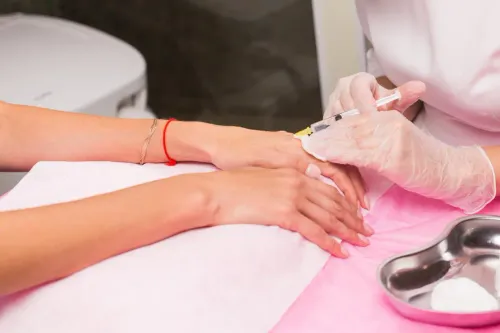
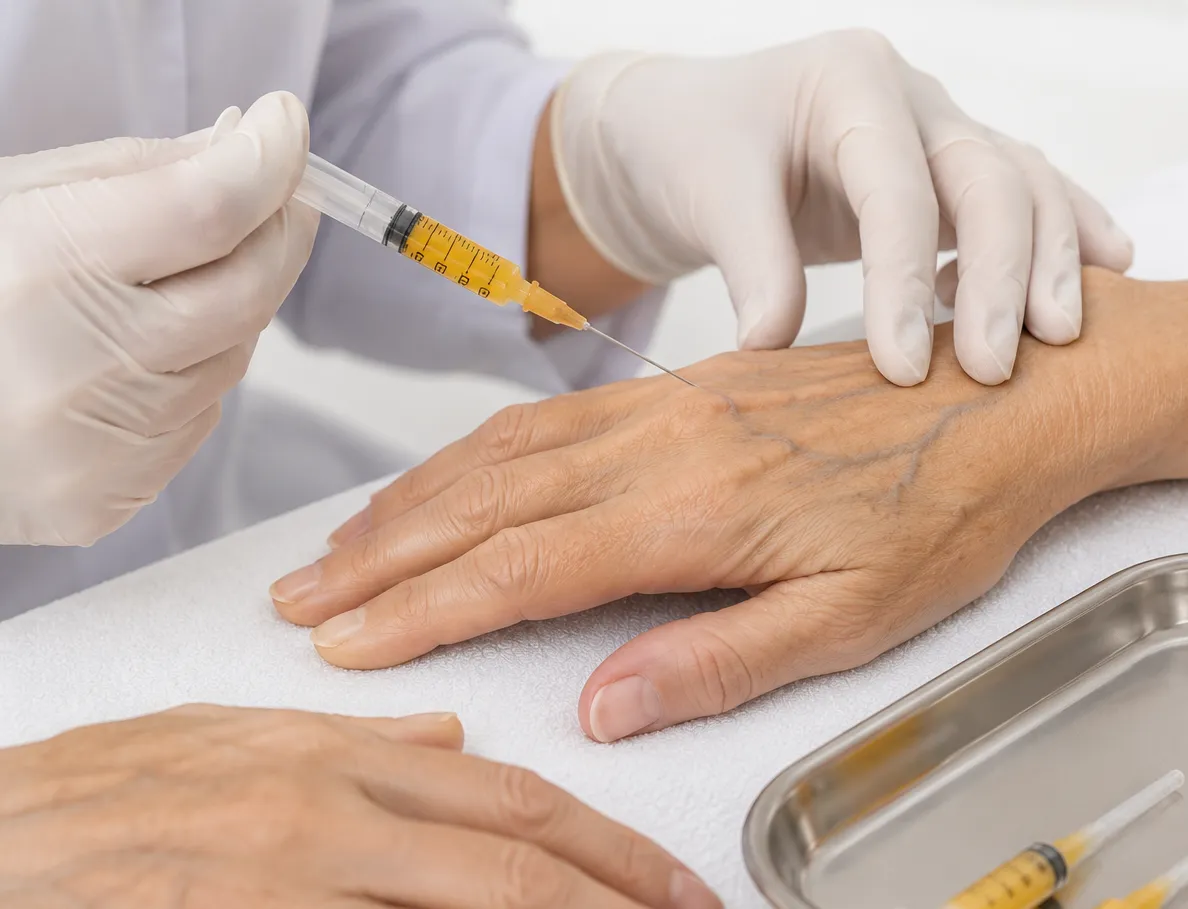
Aging hands do not always look older because of wrinkles or pigmentation. In many people, the more noticeable change is loss of soft-tissue volume. As this cushioning decreases, veins, tendons, and bony contours may become more visible. Hand rejuvenation with fat grafting is a surgical approach that may be considered when volume loss is a significant part of the problem.
Unlike surface treatments that primarily address pigmentation or texture, fat grafting is designed to restore selected soft-tissue volume using fat obtained from the patient's own body.
How Does Fat Grafting Work?
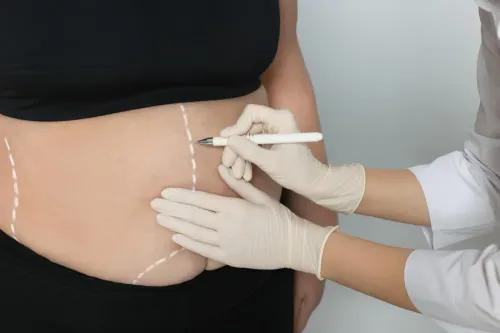
Fat grafting generally involves three stages. A suitable donor area is selected, a small quantity of fat is removed through liposuction techniques, and the harvested fat is processed before being carefully placed into the treatment area.
For hand rejuvenation, the aim is usually not to make the hands look artificially full. The goal is to soften excessive prominence of underlying structures while preserving normal hand movement and proportions.
The procedure therefore requires careful planning of both the amount and location of transferred fat.
Who May Consider the Procedure?
Fat grafting may be discussed when someone is bothered by age-related changes such as:
- Loss of fullness on the back of the hands
- Increased visibility of veins
- Prominent tendons
- A bony or hollow appearance
- Disproportion between facial rejuvenation and visibly aged hands
Not every person with aging hands needs volume restoration. Someone whose main concern is pigmentation or sun spots may benefit more from dermatological or laser-based treatment.
Where Does the Fat Come From?
Fat can be harvested from an appropriate area of the body where sufficient tissue is available. The donor site varies between patients and should be selected after examination.
Only a relatively small amount may be required for hand treatment compared with larger-volume body contouring procedures.
Because the procedure uses the patient's own tissue, it differs from treatments involving manufactured fillers. However, this does not mean that all transferred fat will necessarily survive permanently.
Understanding Fat Survival
Some of the transferred fat can be reabsorbed during healing. The amount retained varies between individuals and is influenced by several biological and procedural factors.
For this reason, the early appearance immediately after treatment should not be treated as the final result. Swelling also contributes to temporary fullness.
The longer-term appearance becomes clearer after healing progresses and the surviving transferred fat stabilises.
Recovery and Practical Considerations
Temporary swelling and bruising can occur in both the hands and the area from which fat was harvested. Patients may receive instructions about hand activity, wound care, compression at the donor area, and when normal exercise or work can resume.
Anyone considering the procedure should ask about:
- Expected downtime
- Donor-site recovery
- Possibility of fat resorption
- Whether additional treatment could be needed
- Scarring at access points
- Procedure-specific risks
In Pune, where patients have access to both dermatological and plastic surgical aesthetic procedures, an assessment can help distinguish volume loss from surface skin aging.
Khatri Clinic - Best Clinic in Camp provides dermatology, cosmetology, and plastic surgery services, allowing hand concerns to be evaluated from both skin-quality and structural perspectives.
Fat grafting is therefore best understood as a volume-restoration procedure rather than a universal treatment for aging hands. When the primary problem is hollowing and prominent underlying structures, it may provide an option worth discussing with an appropriately qualified surgeon.
Keywords