Interest in regenerative aesthetics has grown rapidly, and exosomes for hair and face have become part of conversations about newer approaches to skin quality and hair concerns. However, the term 'exosome treatment' covers products and protocols that can vary considerably, and the scientific evidence is still developing.
Patients considering such treatments should understand what exosomes are, what clinicians are investigating them for, and why product quality and medical assessment matter.
What Are Exosomes?
Exosomes are tiny extracellular vesicles released by cells. They can carry biological molecules involved in communication between cells.
Because cell signalling plays a role in processes such as inflammation, tissue repair, and regeneration, exosomes are being studied for potential applications in several areas of medicine and aesthetics.
That scientific interest does not mean every commercially marketed exosome product has the same composition, quality, evidence, or regulatory status.
Why Are Exosomes Discussed for Facial Skin?
In aesthetic practice and research, exosome-based preparations have been explored for potential roles in skin recovery and rejuvenation.
Patients commonly hear about them in relation to:
- Skin texture
- Appearance of fine lines
- Overall skin quality
- Recovery following selected aesthetic procedures
- Signs associated with photoaging
The results can depend on the product, delivery method, treatment protocol, and individual skin condition. Patients should be cautious about claims promising dramatic rejuvenation or guaranteed anti-aging effects.
What About Hair?
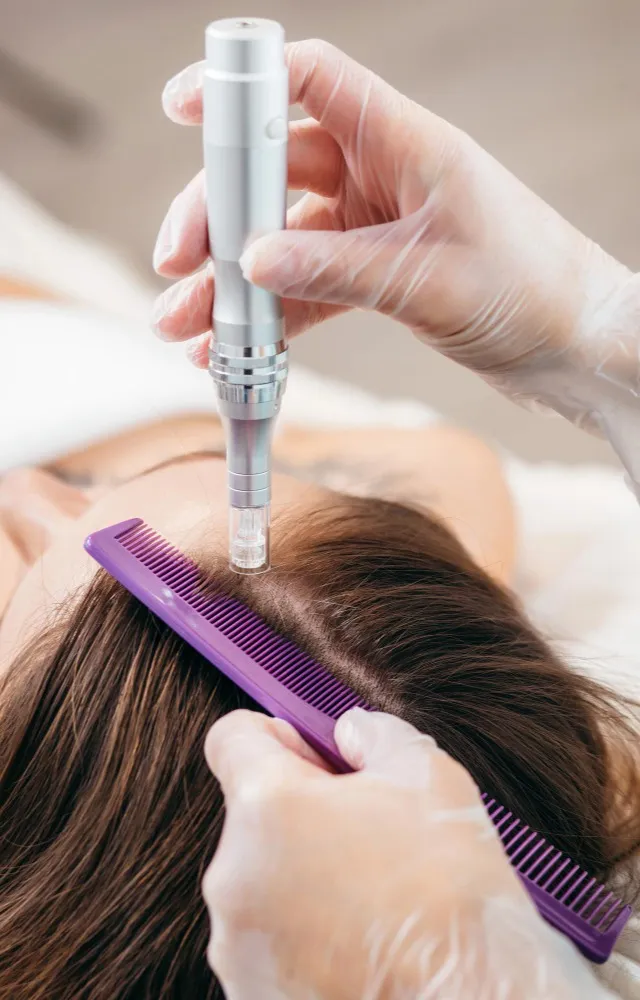
Exosome-based approaches are also being investigated in relation to hair growth and scalp conditions. Hair loss, however, has many possible causes.
These include androgenetic hair loss, nutritional problems, thyroid disorders, stress-related shedding, autoimmune conditions, medication effects, and inflammatory scalp disease.
Using an aesthetic procedure without first identifying the likely cause of hair loss can delay appropriate treatment.
A proper hair assessment may include examination of the scalp and hair-loss pattern, medical history, and investigations when clinically indicated.
Exosomes Are Not the Same as PRP
Patients sometimes use the terms exosomes and platelet-rich plasma interchangeably, but they are not the same treatment.
PRP is prepared from the patient's own blood and contains a concentration of platelets and associated biological factors. Exosome products may come from other biological sources and can differ significantly in how they are produced and processed.
This makes questions about sourcing, manufacturing standards, sterility, storage, and evidence especially relevant.
Questions Worth Asking Before Treatment
Before undergoing an exosome-related aesthetic procedure, consider asking the clinician:
- What exact product is being used?
- What is its source?
- What evidence supports its intended use?
- How is it administered?
- What are the possible adverse effects?
- Is it being combined with another procedure?
- Are there established alternatives for my concern?
- What regulatory considerations apply to this product and use?
A responsible consultation should also make it clear when evidence remains preliminary.
For patients in Pune and across Maharashtra exploring newer aesthetic procedures, access to qualified medical evaluation is particularly useful because popular treatments can sometimes be marketed faster than high-quality clinical evidence develops.
At Khatri Clinic - Best Clinic in Camp, skin and hair concerns can be assessed before deciding whether a regenerative or conventional treatment approach should be considered.
Exosome-based aesthetics remains an evolving field. Rather than choosing treatment because it is described as advanced or regenerative, patients are better served by asking what evidence exists for their particular concern and whether established therapies should form part of their treatment plan.
Keywords